
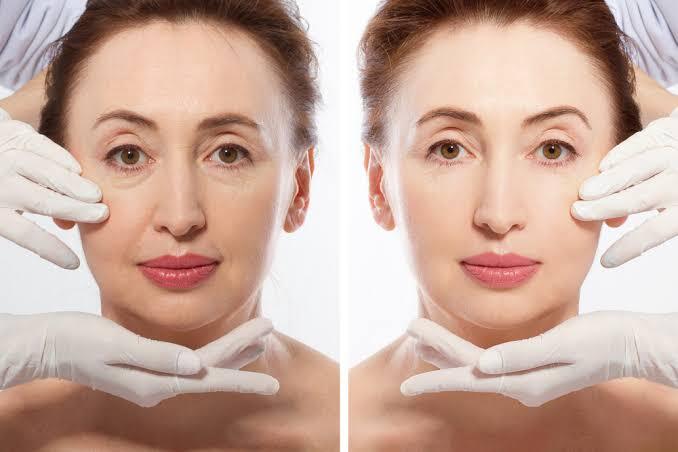
Preparing for facelift surgery requires careful planning and commitment to pre-operative and post-operative instructions. Many people approach this procedure with questions about what happens before they enter the operating room, how their body will respond, and what role their own preparation plays in achieving successful results. Understanding the preparation process helps patients feel more confident and sets the foundation for a smoother recovery and better surgical outcomes.
Medical Evaluation and Consultation
Your first step involves scheduling a comprehensive consultation with a board-certified plastic surgeon. During this appointment, the surgeon will assess your facial structure, skin quality, and overall health to determine whether you are a good candidate for the procedure. Be prepared to discuss your medical history, current medications, and any previous surgeries you have had. The surgeon will also ask about your expectations and desired results so they can explain what facelift surgery can realistically achieve for your specific concerns.
Following the initial consultation, you may need to undergo additional medical testing. This could include blood work, an EKG, or other diagnostic tests depending on your age and health status. Your surgeon may also refer you to your primary care physician or a cardiologist for clearance before surgery. These steps ensure that any underlying health conditions are identified and managed appropriately. Providing complete and honest information during this phase is critical to your safety.
Medication and Supplement Adjustments
Certain medications and supplements can affect bleeding, bruising, and anesthesia during facelift surgery. Your surgeon will provide a detailed list of medications to stop before your procedure, typically two weeks in advance. Aspirin, ibuprofen, and other nonsteroidal anti-inflammatory drugs should be discontinued because they increase bleeding risk. Blood thinners and herbal supplements like ginger, garlic, and ginkgo biloba must also be stopped.
Always inform your surgeon about prescription medications you take regularly. Some blood pressure medications or diabetes medications may need to be adjusted rather than stopped completely. Your surgeon and primary care physician will coordinate any necessary changes to ensure your safety. Never stop prescription medications without explicit approval from your medical team. Some patients worry about symptom management during this period, but your healthcare providers can recommend safe alternatives or temporary adjustments that will not interfere with surgery.
Lifestyle Modifications Before Surgery
In the weeks leading up to your facelift, adopting healthy lifestyle habits supports optimal healing. Eating a balanced diet rich in protein, vitamins, and minerals helps your body prepare for the surgical stress and recovery period. Adequate hydration is equally important, as proper fluid intake supports skin health and aids the healing process. Aim to drink plenty of water daily and limit caffeine and alcohol, which can dehydrate your system and interfere with anesthesia.
Smoking significantly impairs wound healing and increases complication risks after facelift surgery. If you smoke, quitting at least two weeks before your procedure and continuing to abstain after surgery is essential for proper healing. Your surgeon may recommend stopping smoking even earlier. Patients researching their options for facelift northern virginia providers often find that surgeons in the area emphasize this lifestyle preparation phase as one of the most important factors in achieving long-lasting, natural-looking results.
Exercise is beneficial for overall health, but strenuous activities should be avoided in the final week before surgery. Getting adequate sleep and managing stress levels also contribute to your physical readiness for the procedure. These adjustments, while modest, can meaningfully affect how your body tolerates surgery and how efficiently it recovers in the days that follow.
Pre-Operative Instructions and Preparation
Several days before surgery, your surgeon’s office will provide specific pre-operative instructions you must follow carefully. Most surgeons require patients to avoid eating and drinking after midnight the night before surgery, since anesthesia requires an empty stomach. Wear loose, comfortable clothing on surgery day that does not pull over your head, as this will be easier to manage post-operatively when your face is swollen and sensitive. Arrange for transportation home, as you cannot drive after receiving anesthesia.
Prepare your home recovery space before surgery day arrives. Stock your kitchen with soft foods like yogurt, soup, smoothies, and applesauce that require minimal chewing. Set up a comfortable recovery area with extra pillows to keep your head elevated while sleeping, which helps reduce swelling. Have prescribed pain medications filled at the pharmacy ahead of time. Arrange for someone to stay with you for at least the first night after surgery, as you will need assistance with basic tasks and monitoring during the critical early recovery hours.
Mental Preparation and Realistic Expectations
Approaching facelift surgery with realistic expectations significantly influences your satisfaction with results. Take time to review before-and-after photos of your surgeon’s previous patients to understand what the procedure can achieve. Discuss specific concerns with your surgeon, such as addressing jowls, neck sagging, or deep facial lines. Your surgeon can show you imaging or digital simulations of potential results, though these are estimates rather than guaranteed outcomes.
Mental preparation also involves acknowledging the recovery timeline and temporary changes in your appearance. Swelling and bruising are normal parts of healing and typically peak around days three through five after surgery. Several weeks are needed for most swelling to resolve, and several months may pass before final results become fully apparent. Some patients feel emotional during recovery due to temporary changes in their appearance, hormonal shifts, and the stress of surgery itself. Having support from family or friends and discussing these feelings with your surgical team can help you navigate this adjustment period successfully.
Conclusion
Preparing for facelift surgery involves multiple important steps that extend far beyond the day of your procedure. Completing a thorough medical evaluation, adjusting medications appropriately, and modifying lifestyle habits all contribute to a safer surgery and smoother recovery. Following pre-operative instructions precisely and preparing your home recovery space demonstrates your commitment to optimal outcomes. By understanding what to expect and taking an active role in your preparation, you set yourself up for success and can approach your facelift surgery with confidence and peace of mind.