
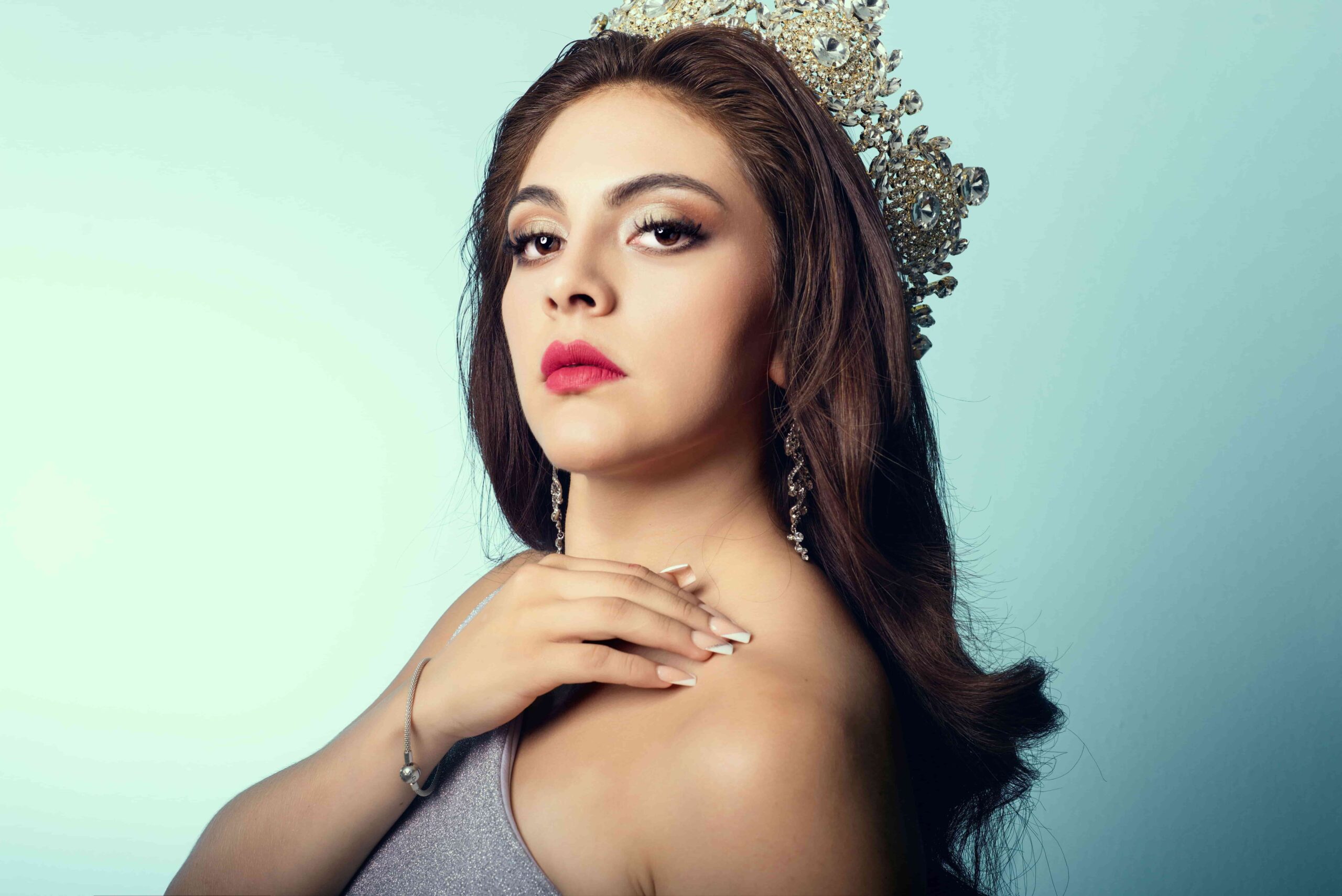
Choosing the right look for a pageant goes far beyond personal style. Under powerful stage lighting, garments can appear very different from how they look in natural light. Colors may deepen or wash out, and certain fabrics can either enhance a contestant’s presence or dull it entirely. Understanding how materials and shades interact with bright lights is essential for creating a polished, confident appearance that stands out on stage.
How Stage Lighting Affects Fabric and Color
Stage lighting is often intense, directional, and designed to highlight movement and facial expression. Because of this, fabrics and colors are viewed through a much sharper and sometimes harsher lens than in everyday settings. Bright lighting can amplify shine, flatten texture, or create glare depending on the material.
Cool-toned LED lighting, which is commonly used in modern venues, tends to make blues, purples, and jewel tones appear more vibrant. Warmer lighting, on the other hand, enhances golds, reds, and earthy hues. It is important to consider that the combination of lighting types may exist on stage, creating subtle shifts in how colors are perceived from different angles.
Fabric choice also impacts how light interacts with the garment. Smooth, reflective surfaces will catch more light, while matte finishes absorb it. This balance can determine whether a dress pops on stage or fades into the background.
Fabrics That Enhance Stage Presence
Certain fabrics perform exceptionally well under strong lighting. Satin, silk, and organza are popular choices because they reflect light in a controlled and elegant way. Satin, in particular, provides a soft sheen that highlights movement without becoming overly reflective. Silk offers a natural glow that adds sophistication without overpowering the wearer.
Sequined and embellished fabrics can also be highly effective when used thoughtfully. Light-catching details create dimension and visual interest, drawing attention during movement. However, excessive sparkle can sometimes overwhelm under bright lights, so strategic placement of embellishments is key.
Chiffon and tulle provide a softer, more ethereal look. These fabrics diffuse light rather than reflecting it directly, creating a graceful, flowing effect. They work especially well in designs that emphasize movement, such as skirts that gently sway across the stage.
Heavier fabrics like velvet can create a rich and dramatic effect, but they require careful color selection. Velvet absorbs a significant amount of light, so choosing darker jewel tones helps maintain visibility and depth on stage.
Colors That Stand Out Under Bright Lights
Color selection is one of the most critical aspects of stage appearance. Jewel tones consistently perform well because they retain their richness under intense lighting. Shades like emerald green, sapphire blue, and deep ruby red tend to look vibrant without appearing washed out.
Bright colors such as fuchsia, royal blue, and vivid coral can also be very effective. These hues naturally command attention and are less likely to blend into the background. However, extremely pale shades like light pastels or soft beige tones may lose definition under strong lights, especially from a distance.
Black and white require careful consideration. Black can appear elegant and timeless but may lose detail unless paired with texture or embellishment. White can look crisp and clean, but it may reflect too much light if the fabric is overly glossy, leading to a washed-out effect in photos or from the audience’s perspective.
Metallic tones such as gold, silver, and champagne are often used to create a standout look. These colors reflect light beautifully, but they should be chosen in finishes that complement the lighting rather than overpower it. Soft metallics tend to photograph better than highly reflective surfaces.
Balancing Fabric and Color for Impact
The most successful pageant looks often come from a thoughtful balance between fabric and color. A bold color paired with a highly reflective fabric can sometimes be too intense, while a muted tone with a matte material may lack stage presence. The goal is to create harmony so that both elements enhance each other.
For example, a deep jewel tone in satin can create a polished and radiant effect. Similarly, a lighter color in a layered or textured fabric can gain depth and dimension through movement and structure. Designers and contestants often experiment with combinations to ensure the final look performs well under stage conditions.
When selecting pageant dresses for girls, it is helpful to consider how the outfit will appear from multiple distances and angles. What looks striking up close should also maintain its impact from the back of the audience. Testing garments under bright lighting or even photographing them with flash can reveal how they truly perform.
The Role of Movement and Texture
Stage presence is not just about standing still. Movement plays a significant role in how a dress is perceived. Fabrics that respond well to motion, such as chiffon or layered organza, create visual interest with every step. Light interacts with these materials dynamically, enhancing the overall presentation.
Texture also adds depth under lighting. Subtle patterns, embroidery, or dimensional elements can prevent a dress from appearing flat. Even monochromatic looks benefit from varied textures, which help catch light in different ways and maintain visual intrigue.
At the same time, simplicity should not be overlooked. A clean, well-fitted gown in a strong color can be just as impactful as a heavily embellished design. The key lies in ensuring that every element supports the contestant’s overall presence rather than distracting from it.
Conclusion
Success on the pageant stage often comes down to how well a contestant’s look translates under bright, focused lighting. Fabrics that reflect or diffuse light appropriately, combined with colors that maintain their richness, can elevate an appearance from ordinary to memorable. By carefully balancing material, shade, and movement, contestants can ensure their outfit enhances their confidence and helps them stand out in a competitive setting.